Introduction
Car insurance is one of the most important forms of financial protection for vehicle owners. Cars are used every day for work, family activities, business, and travel. While owning a car provides convenience and mobility, it also involves risks such as accidents, theft, vandalism, and natural disasters. These risks can cause serious financial losses if a car owner is not protected by insurance.
Car insurance helps drivers manage these risks by providing financial coverage and legal protection. In many countries, having car insurance is mandatory. This article is written in a natural, handwritten-style tone and explains car insurance in English in a clear and detailed way, covering its importance, coverage types, benefits, costs, and how to choose the right policy.
Understanding Car Insurance
Car insurance is a legal agreement between a car owner and an insurance company. The car owner pays a premium, either monthly or yearly, and the insurance company agrees to cover certain losses and damages as described in the policy.
Car insurance policies are designed to protect not only the vehicle but also the driver, passengers, and third parties. The level of protection depends on the type of insurance chosen. Understanding how car insurance works allows drivers to avoid unnecessary risks and expenses.
Why Car Insurance Is Important
Car insurance is important for financial, legal, and personal reasons. From a financial perspective, car repairs and medical expenses after an accident can be very costly. Insurance helps reduce this burden.
From a legal point of view, car insurance protects drivers from liability claims if they cause damage or injury to others. Without insurance, drivers may face lawsuits and heavy penalties.
Car insurance also provides peace of mind. Knowing that potential risks are covered allows drivers to focus on safe driving without constant worry.
Legal Requirements for Car Insurance
In many countries, car insurance is required by law. The minimum required coverage is usually third-party liability insurance. This ensures that victims of road accidents receive compensation for injuries or property damage.
Driving without insurance can result in fines, suspension of driving privileges, or even imprisonment in some regions. While basic coverage meets legal requirements, additional coverage offers better protection.
Types of Car Insurance Coverage
Car insurance policies are available in several types.
Third-Party Liability Insurance
Third-party liability insurance covers damage or injury caused to other people, vehicles, or property. It does not cover damage to the insured car.
This type of insurance is generally the most affordable and fulfills legal obligations.
Comprehensive Car Insurance
Comprehensive car insurance provides the highest level of protection. It includes third-party liability and covers damage to the insured car caused by accidents, theft, fire, vandalism, floods, storms, and other natural disasters.
This coverage is suitable for new cars, expensive vehicles, or drivers who want maximum security.
Collision Coverage
Collision coverage pays for repairs or replacement of the insured car after a collision, regardless of who is at fault.
Personal Accident Coverage
Personal accident coverage provides financial compensation for injuries, disability, or death of the driver and passengers.
Factors Affecting Car Insurance Premiums
Several factors influence how much a driver pays for car insurance.
Vehicle Type and Value
More expensive cars usually have higher insurance premiums.
Driver Age and Experience
Young or inexperienced drivers often pay higher premiums.
Driving History
Drivers with clean records generally receive lower insurance rates.
Vehicle Usage
Cars used frequently or for business purposes may cost more to insure.
Location
Urban areas with high traffic or crime rates often result in higher premiums.
Benefits of Car Insurance
Car insurance provides many advantages.
Financial Protection
Insurance covers repair costs, medical expenses, and liability claims.
Legal Protection
Third-party insurance protects drivers from legal issues.
Peace of Mind
Drivers can drive with confidence knowing they are protected.
Extra Services
Many insurers offer roadside assistance and emergency support.
How to Choose the Right Car Insurance
Choosing the right car insurance requires careful consideration.
Drivers should evaluate their needs, compare policies, understand terms and conditions, and consider optional coverage.
Understanding the Claims Process
Knowing how to file a claim is important. Drivers should report incidents quickly and provide accurate documents to ensure smooth claim processing.
Car Insurance and Road Safety
Insurance supports road safety by encouraging responsible driving. Some insurers offer discounts for safe driving habits.
The Future of Car Insurance
Car insurance continues to evolve with technology. Digital insurance, telematics, and usage-based models are becoming more common.
Conclusion
Car insurance is a vital part of responsible car ownership. It provides financial protection, legal security, and peace of mind. By understanding car insurance, drivers can make better decisions and enjoy safer journeys.
Car Insurance
Introduction
Car insurance is one of the most important forms of financial protection for vehicle owners. Cars are used every day for work, family activities, business, and travel. While owning a car provides convenience and mobility, it also involves risks such as accidents, theft, vandalism, and natural disasters. These risks can cause serious financial losses if a car owner is not protected by insurance.
Car insurance helps drivers manage these risks by providing financial coverage and legal protection. In many countries, having car insurance is mandatory. This article is written in a natural, handwritten-style tone and explains car insurance in English in a clear and detailed way, covering its importance, coverage types, benefits, costs, and how to choose the right policy.
Understanding Car Insurance
Car insurance is a legal agreement between a car owner and an insurance company. The car owner pays a premium, either monthly or yearly, and the insurance company agrees to cover certain losses and damages as described in the policy.
Car insurance policies are designed to protect not only the vehicle but also the driver, passengers, and third parties. The level of protection depends on the type of insurance chosen. Understanding how car insurance works allows drivers to avoid unnecessary risks and expenses.
Why Car Insurance Is Important
Car insurance is important for financial, legal, and personal reasons. From a financial perspective, car repairs and medical expenses after an accident can be very costly. Insurance helps reduce this burden.
From a legal point of view, car insurance protects drivers from liability claims if they cause damage or injury to others. Without insurance, drivers may face lawsuits and heavy penalties.
Car insurance also provides peace of mind. Knowing that potential risks are covered allows drivers to focus on safe driving without constant worry.
Legal Requirements for Car Insurance
In many countries, car insurance is required by law. The minimum required coverage is usually third-party liability insurance. This ensures that victims of road accidents receive compensation for injuries or property damage.
Driving without insurance can result in fines, suspension of driving privileges, or even imprisonment in some regions. While basic coverage meets legal requirements, additional coverage offers better protection.
Types of Car Insurance Coverage
Car insurance policies are available in several types.
Third-Party Liability Insurance
Third-party liability insurance covers damage or injury caused to other people, vehicles, or property. It does not cover damage to the insured car.
This type of insurance is generally the most affordable and fulfills legal obligations.
Comprehensive Car Insurance
Comprehensive car insurance provides the highest level of protection. It includes third-party liability and covers damage to the insured car caused by accidents, theft, fire, vandalism, floods, storms, and other natural disasters.
This coverage is suitable for new cars, expensive vehicles, or drivers who want maximum security.
Collision Coverage
Collision coverage pays for repairs or replacement of the insured car after a collision, regardless of who is at fault.
Personal Accident Coverage
Personal accident coverage provides financial compensation for injuries, disability, or death of the driver and passengers.
Factors Affecting Car Insurance Premiums
Several factors influence how much a driver pays for car insurance.
Vehicle Type and Value
More expensive cars usually have higher insurance premiums.
Driver Age and Experience
Young or inexperienced drivers often pay higher premiums.
Driving History
Drivers with clean records generally receive lower insurance rates.
Vehicle Usage
Cars used frequently or for business purposes may cost more to insure.
Location
Urban areas with high traffic or crime rates often result in higher premiums.
Benefits of Car Insurance
Car insurance provides many advantages.
Financial Protection
Insurance covers repair costs, medical expenses, and liability claims.
Legal Protection
Third-party insurance protects drivers from legal issues.
Peace of Mind
Drivers can drive with confidence knowing they are protected.
Extra Services
Many insurers offer roadside assistance and emergency support.
How to Choose the Right Car Insurance
Choosing the right car insurance requires careful consideration.
Drivers should evaluate their needs, compare policies, understand terms and conditions, and consider optional coverage.
Understanding the Claims Process
Knowing how to file a claim is important. Drivers should report incidents quickly and provide accurate documents to ensure smooth claim processing.
Car Insurance and Road Safety
Insurance supports road safety by encouraging responsible driving. Some insurers offer discounts for safe driving habits.
The Future of Car Insurance
Car insurance continues to evolve with technology. Digital insurance, telematics, and usage-based models are becoming more common.
Conclusion
Car insurance is a vital part of responsible car ownership. It provides financial protection, legal security, and peace of mind. By understanding car insurance, drivers can make better decisions and enjoy safer journeys.
Car Insurance
Introduction
Car insurance is one of the most important forms of financial protection for vehicle owners. Cars are used every day for work, family activities, business, and travel. While owning a car provides convenience and mobility, it also involves risks such as accidents, theft, vandalism, and natural disasters. These risks can cause serious financial losses if a car owner is not protected by insurance.
Car insurance helps drivers manage these risks by providing financial coverage and legal protection. In many countries, having car insurance is mandatory. This article is written in a natural, handwritten-style tone and explains car insurance in English in a clear and detailed way, covering its importance, coverage types, benefits, costs, and how to choose the right policy.
Understanding Car Insurance
Car insurance is a legal agreement between a car owner and an insurance company. The car owner pays a premium, either monthly or yearly, and the insurance company agrees to cover certain losses and damages as described in the policy.
Car insurance policies are designed to protect not only the vehicle but also the driver, passengers, and third parties. The level of protection depends on the type of insurance chosen. Understanding how car insurance works allows drivers to avoid unnecessary risks and expenses.
Why Car Insurance Is Important
Car insurance is important for financial, legal, and personal reasons. From a financial perspective, car repairs and medical expenses after an accident can be very costly. Insurance helps reduce this burden.
From a legal point of view, car insurance protects drivers from liability claims if they cause damage or injury to others. Without insurance, drivers may face lawsuits and heavy penalties.
Car insurance also provides peace of mind. Knowing that potential risks are covered allows drivers to focus on safe driving without constant worry.
Legal Requirements for Car Insurance
In many countries, car insurance is required by law. The minimum required coverage is usually third-party liability insurance. This ensures that victims of road accidents receive compensation for injuries or property damage.
Driving without insurance can result in fines, suspension of driving privileges, or even imprisonment in some regions. While basic coverage meets legal requirements, additional coverage offers better protection.
Types of Car Insurance Coverage
Car insurance policies are available in several types.
Third-Party Liability Insurance
Third-party liability insurance covers damage or injury caused to other people, vehicles, or property. It does not cover damage to the insured car.
This type of insurance is generally the most affordable and fulfills legal obligations.
Comprehensive Car Insurance
Comprehensive car insurance provides the highest level of protection. It includes third-party liability and covers damage to the insured car caused by accidents, theft, fire, vandalism, floods, storms, and other natural disasters.
This coverage is suitable for new cars, expensive vehicles, or drivers who want maximum security.
Collision Coverage
Collision coverage pays for repairs or replacement of the insured car after a collision, regardless of who is at fault.
Personal Accident Coverage
Personal accident coverage provides financial compensation for injuries, disability, or death of the driver and passengers.
Factors Affecting Car Insurance Premiums
Several factors influence how much a driver pays for car insurance.
Vehicle Type and Value
More expensive cars usually have higher insurance premiums.
Driver Age and Experience
Young or inexperienced drivers often pay higher premiums.
Driving History
Drivers with clean records generally receive lower insurance rates.
Vehicle Usage
Cars used frequently or for business purposes may cost more to insure.
Location
Urban areas with high traffic or crime rates often result in higher premiums.
Benefits of Car Insurance
Car insurance provides many advantages.
Financial Protection
Insurance covers repair costs, medical expenses, and liability claims.
Legal Protection
Third-party insurance protects drivers from legal issues.
Peace of Mind
Drivers can drive with confidence knowing they are protected.
Extra Services
Many insurers offer roadside assistance and emergency support.
How to Choose the Right Car Insurance
Choosing the right car insurance requires careful consideration.
Drivers should evaluate their needs, compare policies, understand terms and conditions, and consider optional coverage.
Understanding the Claims Process
Knowing how to file a claim is important. Drivers should report incidents quickly and provide accurate documents to ensure smooth claim processing.
Car Insurance and Road Safety
Insurance supports road safety by encouraging responsible driving. Some insurers offer discounts for safe driving habits.
The Future of Car Insurance
Car insurance continues to evolve with technology. Digital insurance, telematics, and usage-based models are becoming more common.
Conclusion
Car insurance is a vital part of responsible car ownership. It provides financial protection, legal security, and peace of mind. By understanding car insurance, drivers can make better decisions and enjoy safer journeys.
Car Insurance
Introduction
Car insurance is one of the most important forms of financial protection for vehicle owners. Cars are used every day for work, family activities, business, and travel. While owning a car provides convenience and mobility, it also involves risks such as accidents, theft, vandalism, and natural disasters. These risks can cause serious financial losses if a car owner is not protected by insurance.
Car insurance helps drivers manage these risks by providing financial coverage and legal protection. In many countries, having car insurance is mandatory. This article is written in a natural, handwritten-style tone and explains car insurance in English in a clear and detailed way, covering its importance, coverage types, benefits, costs, and how to choose the right policy.
Understanding Car Insurance
Car insurance is a legal agreement between a car owner and an insurance company. The car owner pays a premium, either monthly or yearly, and the insurance company agrees to cover certain losses and damages as described in the policy.
Car insurance policies are designed to protect not only the vehicle but also the driver, passengers, and third parties. The level of protection depends on the type of insurance chosen. Understanding how car insurance works allows drivers to avoid unnecessary risks and expenses.
Why Car Insurance Is Important
Car insurance is important for financial, legal, and personal reasons. From a financial perspective, car repairs and medical expenses after an accident can be very costly. Insurance helps reduce this burden.
From a legal point of view, car insurance protects drivers from liability claims if they cause damage or injury to others. Without insurance, drivers may face lawsuits and heavy penalties.
Car insurance also provides peace of mind. Knowing that potential risks are covered allows drivers to focus on safe driving without constant worry.
Legal Requirements for Car Insurance
In many countries, car insurance is required by law. The minimum required coverage is usually third-party liability insurance. This ensures that victims of road accidents receive compensation for injuries or property damage.
Driving without insurance can result in fines, suspension of driving privileges, or even imprisonment in some regions. While basic coverage meets legal requirements, additional coverage offers better protection.
Types of Car Insurance Coverage
Car insurance policies are available in several types.
Third-Party Liability Insurance
Third-party liability insurance covers damage or injury caused to other people, vehicles, or property. It does not cover damage to the insured car.
This type of insurance is generally the most affordable and fulfills legal obligations.
Comprehensive Car Insurance
Comprehensive car insurance provides the highest level of protection. It includes third-party liability and covers damage to the insured car caused by accidents, theft, fire, vandalism, floods, storms, and other natural disasters.
This coverage is suitable for new cars, expensive vehicles, or drivers who want maximum security.
Collision Coverage
Collision coverage pays for repairs or replacement of the insured car after a collision, regardless of who is at fault.
Personal Accident Coverage
Personal accident coverage provides financial compensation for injuries, disability, or death of the driver and passengers.
Factors Affecting Car Insurance Premiums
Several factors influence how much a driver pays for car insurance.
Vehicle Type and Value
More expensive cars usually have higher insurance premiums.
Driver Age and Experience
Young or inexperienced drivers often pay higher premiums.
Driving History
Drivers with clean records generally receive lower insurance rates.
Vehicle Usage
Cars used frequently or for business purposes may cost more to insure.
Location
Urban areas with high traffic or crime rates often result in higher premiums.
Benefits of Car Insurance
Car insurance provides many advantages.
Financial Protection
Insurance covers repair costs, medical expenses, and liability claims.
Legal Protection
Third-party insurance protects drivers from legal issues.
Peace of Mind
Drivers can drive with confidence knowing they are protected.
Extra Services
Many insurers offer roadside assistance and emergency support.
How to Choose the Right Car Insurance
Choosing the right car insurance requires careful consideration.
Drivers should evaluate their needs, compare policies, understand terms and conditions, and consider optional coverage.
Understanding the Claims Process
Knowing how to file a claim is important. Drivers should report incidents quickly and provide accurate documents to ensure smooth claim processing.
Car Insurance and Road Safety
Insurance supports road safety by encouraging responsible driving. Some insurers offer discounts for safe driving habits.
The Future of Car Insurance
Car insurance continues to evolve with technology. Digital insurance, telematics, and usage-based models are becoming more common.
Conclusion
Car insurance is a vital part of responsible car ownership. It provides financial protection, legal security, and peace of mind. By understanding car insurance, drivers can make better decisions and enjoy safer journeys.
Car Insurance
Introduction
Car insurance is one of the most important forms of financial protection for vehicle owners. Cars are used every day for work, family activities, business, and travel. While owning a car provides convenience and mobility, it also involves risks such as accidents, theft, vandalism, and natural disasters. These risks can cause serious financial losses if a car owner is not protected by insurance.
Car insurance helps drivers manage these risks by providing financial coverage and legal protection. In many countries, having car insurance is mandatory. This article is written in a natural, handwritten-style tone and explains car insurance in English in a clear and detailed way, covering its importance, coverage types, benefits, costs, and how to choose the right policy.
Understanding Car Insurance
Car insurance is a legal agreement between a car owner and an insurance company. The car owner pays a premium, either monthly or yearly, and the insurance company agrees to cover certain losses and damages as described in the policy.
Car insurance policies are designed to protect not only the vehicle but also the driver, passengers, and third parties. The level of protection depends on the type of insurance chosen. Understanding how car insurance works allows drivers to avoid unnecessary risks and expenses.
Why Car Insurance Is Important
Car insurance is important for financial, legal, and personal reasons. From a financial perspective, car repairs and medical expenses after an accident can be very costly. Insurance helps reduce this burden.
From a legal point of view, car insurance protects drivers from liability claims if they cause damage or injury to others. Without insurance, drivers may face lawsuits and heavy penalties.
Car insurance also provides peace of mind. Knowing that potential risks are covered allows drivers to focus on safe driving without constant worry.
Legal Requirements for Car Insurance
In many countries, car insurance is required by law. The minimum required coverage is usually third-party liability insurance. This ensures that victims of road accidents receive compensation for injuries or property damage.
Driving without insurance can result in fines, suspension of driving privileges, or even imprisonment in some regions. While basic coverage meets legal requirements, additional coverage offers better protection.
Types of Car Insurance Coverage
Car insurance policies are available in several types.
Third-Party Liability Insurance
Third-party liability insurance covers damage or injury caused to other people, vehicles, or property. It does not cover damage to the insured car.
This type of insurance is generally the most affordable and fulfills legal obligations.
Comprehensive Car Insurance
Comprehensive car insurance provides the highest level of protection. It includes third-party liability and covers damage to the insured car caused by accidents, theft, fire, vandalism, floods, storms, and other natural disasters.
This coverage is suitable for new cars, expensive vehicles, or drivers who want maximum security.
Collision Coverage
Collision coverage pays for repairs or replacement of the insured car after a collision, regardless of who is at fault.
Personal Accident Coverage
Personal accident coverage provides financial compensation for injuries, disability, or death of the driver and passengers.
Factors Affecting Car Insurance Premiums
Several factors influence how much a driver pays for car insurance.
Vehicle Type and Value
More expensive cars usually have higher insurance premiums.
Driver Age and Experience
Young or inexperienced drivers often pay higher premiums.
Driving History
Drivers with clean records generally receive lower insurance rates.
Vehicle Usage
Cars used frequently or for business purposes may cost more to insure.
Location
Urban areas with high traffic or crime rates often result in higher premiums.
Benefits of Car Insurance
Car insurance provides many advantages.
Financial Protection
Insurance covers repair costs, medical expenses, and liability claims.
Legal Protection
Third-party insurance protects drivers from legal issues.
Peace of Mind
Drivers can drive with confidence knowing they are protected.
Extra Services
Many insurers offer roadside assistance and emergency support.
How to Choose the Right Car Insurance
Choosing the right car insurance requires careful consideration.
Drivers should evaluate their needs, compare policies, understand terms and conditions, and consider optional coverage.
Understanding the Claims Process
Knowing how to file a claim is important. Dr
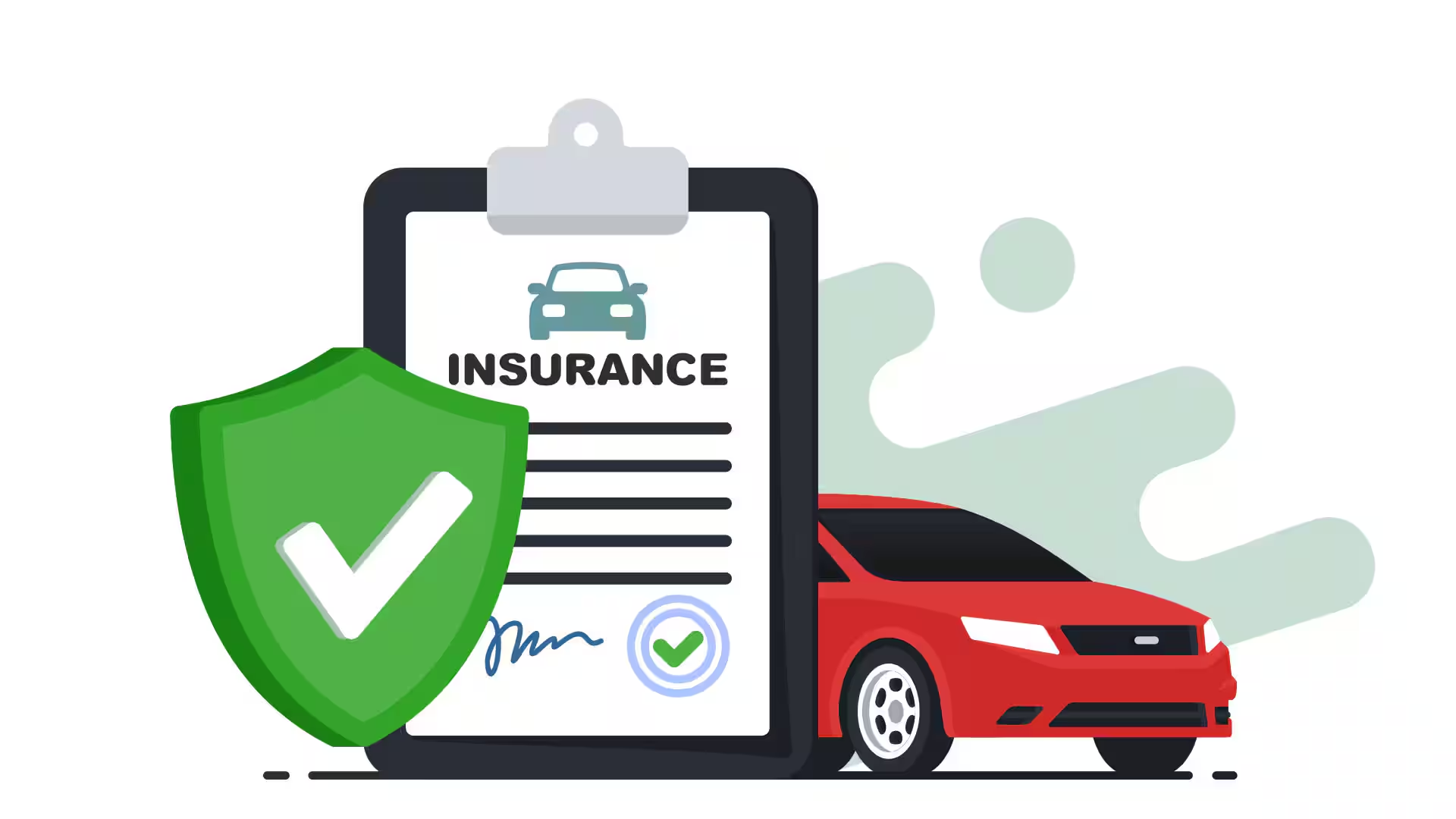
Car Insurance
•

Tinggalkan Balasan