Motorcycle Insurance
Introduction
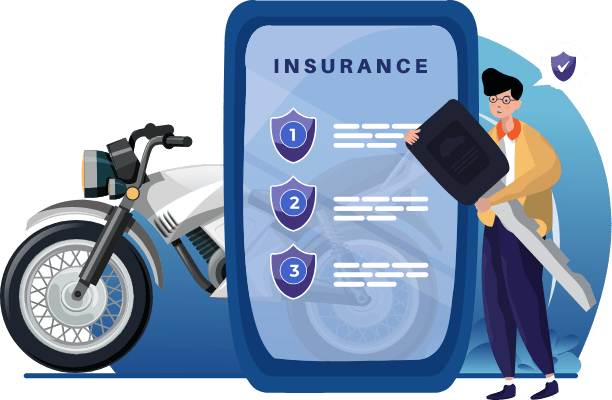
Motorcycle insurance is one of the most important aspects of responsible motorcycle ownership. Riding a motorcycle offers freedom, efficiency, and excitement, but it also comes with significant risks. Motorcycles provide less physical protection than cars, making riders more vulnerable to accidents, injuries, and financial losses. For this reason, motorcycle insurance exists to protect riders, their vehicles, and other road users from unexpected and costly events.
Motorcycle insurance is not only a legal requirement in many countries but also a practical necessity. A single accident, theft, or natural disaster can result in repair costs, medical bills, or legal claims that are difficult to manage without insurance coverage. This article is written in a natural, handwritten-style tone and provides a complete discussion of motorcycle insurance in English, helping readers understand its importance, coverage types, benefits, costs, and how to make smarter insurance decisions.
Understanding Motorcycle Insurance
Motorcycle insurance is a financial agreement between a motorcycle owner and an insurance company. The rider pays a premium, usually on a monthly or annual basis, and the insurer agrees to cover specific risks as stated in the policy. These risks may include accidents, damage, theft, fire, natural disasters, and third-party liability.
Unlike car insurance, motorcycle insurance considers the higher exposure of riders to injury and environmental hazards. Factors such as engine size, riding experience, frequency of use, and location play an important role in determining coverage and premiums. Understanding how motorcycle insurance works helps riders choose a policy that fits their needs and budget.
Why Motorcycle Insurance Is Important
Motorcycle insurance is important for several reasons. First, it provides financial protection. Motorcycles can be expensive to repair, especially modern models with advanced technology. Without insurance, riders must pay these costs out of pocket.
Second, motorcycle insurance protects riders from legal liability. If a rider causes an accident that injures another person or damages property, the financial consequences can be severe. Liability coverage helps pay for medical expenses, repairs, and legal claims.
Third, insurance provides peace of mind. Knowing that risks are covered allows riders to focus on safety and enjoy riding without constant worry about potential financial loss.
Legal Requirements for Motorcycle Insurance
In many countries, motorcycle insurance is required by law. The minimum requirement is usually third-party liability insurance. This type of insurance ensures that victims of traffic accidents receive compensation for injuries or property damage.
Riding without insurance can result in fines, license suspension, vehicle confiscation, or even legal action. Although minimum coverage may be affordable, riders should consider additional protection to fully safeguard themselves and their motorcycles.
Types of Motorcycle Insurance Coverage
Motorcycle insurance policies are available in different forms, each offering a specific level of protection.
Third-Party Liability Insurance
Third-party liability insurance is the most basic type of motorcycle insurance. It covers injuries or damage caused to other people, vehicles, or property. This coverage does not include damage to the insured motorcycle or injuries to the rider.
While third-party insurance is usually the cheapest option, it offers limited protection and may not be sufficient for riders who want full financial security.
Comprehensive Motorcycle Insurance
Comprehensive motorcycle insurance provides wider protection. It includes third-party liability coverage and also covers damage to the insured motorcycle caused by accidents, theft, fire, vandalism, and natural disasters.
This type of insurance is suitable for riders who own new or high-value motorcycles and want maximum protection. Although premiums are higher, comprehensive insurance reduces financial risk significantly.
Collision Coverage
Collision coverage pays for repairs or replacement if the motorcycle is damaged in a collision, regardless of fault. This coverage is especially useful for riders who frequently ride in busy traffic conditions.
Personal Accident Coverage
Personal accident coverage provides compensation in case of injury, disability, or death of the rider and passengers. Given the higher risk of injury in motorcycle accidents, this coverage is highly recommended.
Factors That Affect Motorcycle Insurance Premiums
Several factors influence the cost of motorcycle insurance.
Motorcycle Type and Engine Size
High-performance motorcycles with large engines usually have higher premiums due to increased risk and repair costs.
Rider Age and Experience
Young or inexperienced riders often pay higher premiums. Riders with clean driving records and years of experience generally receive lower rates.
Usage and Mileage
Motorcycles used daily or for commercial purposes tend to have higher premiums than those used occasionally.
Location
Living in areas with high traffic density or theft rates can increase insurance costs.
Claim History
Riders with previous insurance claims may face higher premiums.
Benefits of Motorcycle Insurance
Motorcycle insurance offers many benefits beyond legal compliance.
Financial Protection
Insurance covers repair costs, medical expenses, and liability claims, reducing financial stress.
Legal Security
Third-party coverage protects riders from lawsuits and legal claims.
Peace of Mind
Riders can enjoy their journeys knowing they are financially protected.
Additional Services
Many policies include roadside assistance, towing services, and emergency support.
How to Choose the Right Motorcycle Insurance
Choosing the right motorcycle insurance requires careful consideration.
First, riders should assess their needs by considering the motorcycle’s value, usage, and personal risk tolerance. Second, comparing policies from different insurers helps identify the best coverage at a reasonable price. Third, reading policy terms carefully ensures understanding of exclusions, deductibles, and claim procedures.
Optional add-ons such as personal accident coverage and roadside assistance can enhance overall protection.
Understanding the Claims Process
Knowing how to file an insurance claim is essential. In the event of an accident or loss, riders should notify the insurer as soon as possible and provide accurate documentation such as police reports and photos.
Following the insurer’s procedures helps ensure faster claim settlement and reduces complications.
Motorcycle Insurance and Road Safety
While insurance does not prevent accidents, it supports road safety by encouraging responsible behavior. Some insurers offer discounts for safe riding, proper helmet use, and participation in safety training programs.
Combining insurance coverage with safe riding practices reduces overall risk.
The Future of Motorcycle Insurance
Motorcycle insurance is evolving with technology. Digital policies, online claims, and usage-based insurance models are becoming more common. Telematics allows insurers to adjust premiums based on riding behavior, promoting safer riding habits.
These innovations make motorcycle insurance more flexible and personalized.
Conclusion
Motorcycle insurance is a vital part of responsible motorcycle ownership. It provides financial protection, legal security, and peace of mind in an unpredictable environment. With various coverage options available, riders can tailor policies to match their needs.
By understanding motorcycle insurance in depth, riders can make wiser decisions and enjoy safer, more confident journeys on the road.
Motorcycle Insurance
Introduction
Motorcycle insurance is one of the most important aspects of responsible motorcycle ownership. Riding a motorcycle offers freedom, efficiency, and excitement, but it also comes with significant risks. Motorcycles provide less physical protection than cars, making riders more vulnerable to accidents, injuries, and financial losses. For this reason, motorcycle insurance exists to protect riders, their vehicles, and other road users from unexpected and costly events.
Motorcycle insurance is not only a legal requirement in many countries but also a practical necessity. A single accident, theft, or natural disaster can result in repair costs, medical bills, or legal claims that are difficult to manage without insurance coverage. This article is written in a natural, handwritten-style tone and provides a complete discussion of motorcycle insurance in English, helping readers understand its importance, coverage types, benefits, costs, and how to make smarter insurance decisions.
Understanding Motorcycle Insurance
Motorcycle insurance is a financial agreement between a motorcycle owner and an insurance company. The rider pays a premium, usually on a monthly or annual basis, and the insurer agrees to cover specific risks as stated in the policy. These risks may include accidents, damage, theft, fire, natural disasters, and third-party liability.
Unlike car insurance, motorcycle insurance considers the higher exposure of riders to injury and environmental hazards. Factors such as engine size, riding experience, frequency of use, and location play an important role in determining coverage and premiums. Understanding how motorcycle insurance works helps riders choose a policy that fits their needs and budget.
Why Motorcycle Insurance Is Important
Motorcycle insurance is important for several reasons. First, it provides financial protection. Motorcycles can be expensive to repair, especially modern models with advanced technology. Without insurance, riders must pay these costs out of pocket.
Second, motorcycle insurance protects riders from legal liability. If a rider causes an accident that injures another person or damages property, the financial consequences can be severe. Liability coverage helps pay for medical expenses, repairs, and legal claims.
Third, insurance provides peace of mind. Knowing that risks are covered allows riders to focus on safety and enjoy riding without constant worry about potential financial loss.
Legal Requirements for Motorcycle Insurance
In many countries, motorcycle insurance is required by law. The minimum requirement is usually third-party liability insurance. This type of insurance ensures that victims of traffic accidents receive compensation for injuries or property damage.
Riding without insurance can result in fines, license suspension, vehicle confiscation, or even legal action. Although minimum coverage may be affordable, riders should consider additional protection to fully safeguard themselves and their motorcycles.
Types of Motorcycle Insurance Coverage
Motorcycle insurance policies are available in different forms, each offering a specific level of protection.
Third-Party Liability Insurance
Third-party liability insurance is the most basic type of motorcycle insurance. It covers injuries or damage caused to other people, vehicles, or property. This coverage does not include damage to the insured motorcycle or injuries to the rider.
While third-party insurance is usually the cheapest option, it offers limited protection and may not be sufficient for riders who want full financial security.
Comprehensive Motorcycle Insurance
Comprehensive motorcycle insurance provides wider protection. It includes third-party liability coverage and also covers damage to the insured motorcycle caused by accidents, theft, fire, vandalism, and natural disasters.
This type of insurance is suitable for riders who own new or high-value motorcycles and want maximum protection. Although premiums are higher, comprehensive insurance reduces financial risk significantly.
Collision Coverage
Collision coverage pays for repairs or replacement if the motorcycle is damaged in a collision, regardless of fault. This coverage is especially useful for riders who frequently ride in busy traffic conditions.
Personal Accident Coverage
Personal accident coverage provides compensation in case of injury, disability, or death of the rider and passengers. Given the higher risk of injury in motorcycle accidents, this coverage is highly recommended.
Factors That Affect Motorcycle Insurance Premiums
Several factors influence the cost of motorcycle insurance.
Motorcycle Type and Engine Size
High-performance motorcycles with large engines usually have higher premiums due to increased risk and repair costs.
Rider Age and Experience
Young or inexperienced riders often pay higher premiums. Riders with clean driving records and years of experience generally receive lower rates.
Usage and Mileage
Motorcycles used daily or for commercial purposes tend to have higher premiums than those used occasionally.
Location
Living in areas with high traffic density or theft rates can increase insurance costs.
Claim History
Riders with previous insurance claims may face higher premiums.
Benefits of Motorcycle Insurance
Motorcycle insurance offers many benefits beyond legal compliance.
Financial Protection
Insurance covers repair costs, medical expenses, and liability claims, reducing financial stress.
Legal Security
Third-party coverage protects riders from lawsuits and legal claims.
Peace of Mind
Riders can enjoy their journeys knowing they are financially protected.
Additional Services
Many policies include roadside assistance, towing services, and emergency support.
How to Choose the Right Motorcycle Insurance
Choosing the right motorcycle insurance requires careful consideration.
First, riders should assess their needs by considering the motorcycle’s value, usage, and personal risk tolerance. Second, comparing policies from different insurers helps identify the best coverage at a reasonable price. Third, reading policy terms carefully ensures understanding of exclusions, deductibles, and claim procedures.
Optional add-ons such as personal accident coverage and roadside assistance can enhance overall protection.
Understanding the Claims Process
Knowing how to file an insurance claim is essential. In the event of an accident or loss, riders should notify the insurer as soon as possible and provide accurate documentation such as police reports and photos.
Following the insurer’s procedures helps ensure faster claim settlement and reduces complications.
Motorcycle Insurance and Road Safety
While insurance does not prevent accidents, it supports road safety by encouraging responsible behavior. Some insurers offer discounts for safe riding, proper helmet use, and participation in safety training programs.
Combining insurance coverage with safe riding practices reduces overall risk.
The Future of Motorcycle Insurance
Motorcycle insurance is evolving with technology. Digital policies, online claims, and usage-based insurance models are becoming more common. Telematics allows insurers to adjust premiums based on riding behavior, promoting safer riding habits.
These innovations make motorcycle insurance more flexible and personalized.
Conclusion
Motorcycle insurance is a vital part of responsible motorcycle ownership. It provides financial protection, legal security, and peace of mind in an unpredictable environment. With various coverage options available, riders can tailor policies to match their needs.
By understanding motorcycle insurance in depth, riders can make wiser decisions and enjoy safer, more confident journeys on the road.
Motorcycle Insurance
Introduction
Motorcycle insurance is one of the most important aspects of responsible motorcycle ownership. Riding a motorcycle offers freedom, efficiency, and excitement, but it also comes with significant risks. Motorcycles provide less physical protection than cars, making riders more vulnerable to accidents, injuries, and financial losses. For this reason, motorcycle insurance exists to protect riders, their vehicles, and other road users from unexpected and costly events.
Motorcycle insurance is not only a legal requirement in many countries but also a practical necessity. A single accident, theft, or natural disaster can result in repair costs, medical bills, or legal claims that are difficult to manage without insurance coverage. This article is written in a natural, handwritten-style tone and provides a complete discussion of motorcycle insurance in English, helping readers understand its importance, coverage types, benefits, costs, and how to make smarter insurance decisions.
Understanding Motorcycle Insurance
Motorcycle insurance is a financial agreement between a motorcycle owner and an insurance company. The rider pays a premium, usually on a monthly or annual basis, and the insurer agrees to cover specific risks as stated in the policy. These risks may include accidents, damage, theft, fire, natural disasters, and third-party liability.
Unlike car insurance, motorcycle insurance considers the higher exposure of riders to injury and environmental hazards. Factors such as engine size, riding experience, frequency of use, and location play an important role in determining coverage and premiums. Understanding how motorcycle insurance works helps riders choose a policy that fits their needs and budget.
Why Motorcycle Insurance Is Important
Motorcycle insurance is important for several reasons. First, it provides financial protection. Motorcycles can be expensive to repair, especially modern models with advanced technology. Without insurance, riders must pay these costs out of pocket.
Second, motorcycle insurance protects riders from legal liability. If a rider causes an accident that injures another person or damages property, the financial consequences can be severe. Liability coverage helps pay for medical expenses, repairs, and legal claims.
Third, insurance provides peace of mind. Knowing that risks are covered allows riders to focus on safety and enjoy riding without constant worry about potential financial loss.
Legal Requirements for Motorcycle Insurance
In many countries, motorcycle insurance is required by law. The minimum requirement is usually third-party liability insurance. This type of insurance ensures that victims of traffic accidents receive compensation for injuries or property damage.
Riding without insurance can result in fines, license suspension, vehicle confiscation, or even legal action. Although minimum coverage may be affordable, riders should consider additional protection to fully safeguard themselves and their motorcycles.
Types of Motorcycle Insurance Coverage
Motorcycle insurance policies are available in different forms, each offering a specific level of protection.
Third-Party Liability Insurance
Third-party liability insurance is the most basic type of motorcycle insurance. It covers injuries or damage caused to other people, vehicles, or property. This coverage does not include damage to the insured motorcycle or injuries to the rider.
While third-party insurance is usually the cheapest option, it offers limited protection and may not be sufficient for riders who want full financial security.
Comprehensive Motorcycle Insurance
Comprehensive motorcycle insurance provides wider protection. It includes third-party liability coverage and also covers damage to the insured motorcycle caused by accidents, theft, fire, vandalism, and natural disasters.
This type of insurance is suitable for riders who own new or high-value motorcycles and want maximum protection. Although premiums are higher, comprehensive insurance reduces financial risk significantly.
Collision Coverage
Collision coverage pays for repairs or replacement if the motorcycle is damaged in a collision, regardless of fault. This coverage is especially useful for riders who frequently ride in busy traffic conditions.
Personal Accident Coverage
Personal accident coverage provides compensation in case of injury, disability, or death of the rider and passengers. Given the higher risk of injury in motorcycle accidents, this coverage is highly recommended.
Factors That Affect Motorcycle Insurance Premiums
Several factors influence the cost of motorcycle insurance.
Motorcycle Type and Engine Size
High-performance motorcycles with large engines usually have higher premiums due to increased risk and repair costs.
Rider Age and Experience
Young or inexperienced riders often pay higher premiums. Riders with clean driving records and years of experience generally receive lower rates.
Usage and Mileage
Motorcycles used daily or for commercial purposes tend to have higher premiums than those used occasionally.
Location
Living in areas with high traffic density or theft rates can increase insurance costs.
Claim History
Riders with previous insurance claims may face higher premiums.
Benefits of Motorcycle Insurance
Motorcycle insurance offers many benefits beyond legal compliance.
Financial Protection
Insurance covers repair costs, medical expenses, and liability claims, reducing financial stress.
Legal Security
Third-party coverage protects riders from lawsuits and legal claims.
Peace of Mind
Riders can enjoy their journeys knowing they are financially protected.
Additional Services
Many policies include roadside assistance, towing services, and emergency support.
How to Choose the Right Motorcycle Insurance
Choosing the right motorcycle insurance requires careful consideration.
First, riders should assess their needs by considering the motorcycle’s value, usage, and personal risk tolerance. Second, comparing policies from different insurers helps identify the best coverage at a reasonable price. Third, reading policy terms carefully ensures understanding of exclusions, deductibles, and claim procedures.
Optional add-ons such as personal accident coverage and roadside assistance can enhance overall protection.
Understanding the Claims Process
Knowing how to file an insurance claim is essential. In the event of an accident or loss, riders should notify the insurer as soon as possible and provide accurate documentation such as police reports and photos.
Following the insurer’s procedures helps ensure faster claim settlement and reduces complications.
Motorcycle Insurance and Road Safety
While insurance does not prevent accidents, it supports road safety by encouraging responsible behavior. Some insurers offer discounts for safe riding, proper helmet use, and participation in safety training programs.
Combining insurance coverage with safe riding practices reduces overall risk.
The Future of Motorcycle Insurance
Motorcycle insurance is evolving with technology. Digital policies, online claims, and usage-based insurance models are becoming more common. Telematics allows insurers to adjust premiums based on riding behavior, promoting safer riding habits.
These innovations make motorcycle insurance more flexible and personalized.
Conclusion
Motorcycle insurance is a vital part of responsible motorcycle ownership. It provides financial protection, legal security, and peace of mind in an unpredictable environment. With various coverage options available, riders can tailor policies to match their needs.
By understanding motorcycle insurance in depth, riders can make wiser decisions and enjoy safer, more confident journeys on the road.
Motorcycle Insurance
Introduction
Motorcycle insurance is one of the most important aspects of responsible motorcycle ownership. Riding a motorcycle offers freedom, efficiency, and excitement, but it also comes with significant risks. Motorcycles provide less physical protection than cars, making riders more vulnerable to accidents, injuries, and financial losses. For this reason, motorcycle insurance exists to protect riders, their vehicles, and other road users from unexpected and costly events.
Motorcycle insurance is not only a legal requirement in many countries but also a practical necessity. A single accident, theft, or natural disaster can result in repair costs, medical bills, or legal claims that are difficult to manage without insurance coverage. This article is written in a natural, handwritten-style tone and provides a complete discussion of motorcycle insurance in English, helping readers understand its importance, coverage types, benefits, costs, and how to make smarter insurance decisions.
Understanding Motorcycle Insurance
Motorcycle insurance is a financial agreement between a motorcycle owner and an insurance company. The rider pays a premium, usually on a monthly or annual basis, and the insurer agrees to cover specific risks as stated in the policy. These risks may include accidents, damage, theft, fire, natural disasters, and third-party liability.
Unlike car insurance, motorcycle insurance considers the higher exposure of riders to injury and environmental hazards. Factors such as engine size, riding experience, frequency of use, and location play an important role in determining coverage and premiums. Understanding how motorcycle insurance works helps riders choose a policy that fits their needs and budget.
Why Motorcycle Insurance Is Important
Motorcycle insurance is important for several reasons. First, it provides financial protection. Motorcycles can be expensive to repair, especially modern models with advanced technology. Without insurance, riders must pay these costs out of pocket.
Second, motorcycle insurance protects riders from legal liability. If a rider causes an accident that injures another person or damages property, the financial consequences can be severe. Liability coverage helps pay for medical expenses, repairs, and legal claims.
Third, insurance provides peace of mind. Knowing that risks are covered allows riders to focus on safety and enjoy ridi
Motorcycle Insurance
•


Tinggalkan Balasan